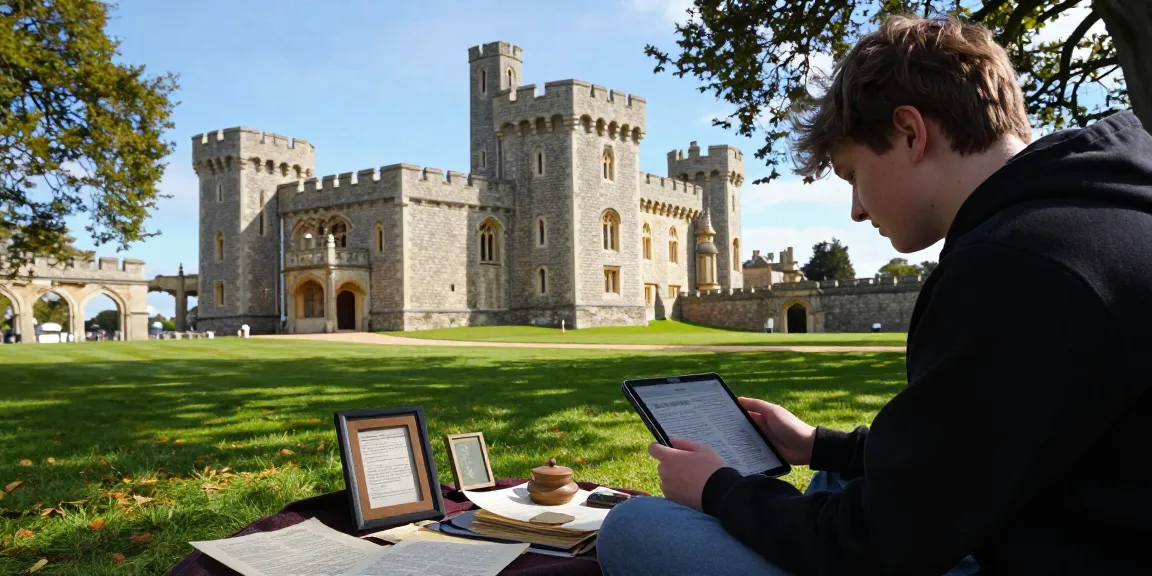
Introduction to Tynte’s Castle and Its Significance
Tynte’s Castle, a remarkable historical site located in Wales, has captured the imaginations of many over the years. With its dramatic architecture and rich history, this castle not only stands as a testament to the architectural prowess of its time but also serves as an essential part of the cultural narrative of the region. As we step into 2026, Tynte’s Castle continues to be a focal point for enthusiasts of history, architecture, and culture, drawing visitors from various backgrounds. This article delves into why https://tyntescastle.com has emerged as an iconic platform for historical blogging, particularly through its dedicated blog, NAGA2000, which highlights the expansive heritage surrounding Tynte’s Castle.
What is Tynte’s Castle?
Tynte’s Castle is a captivating structure built in the early 19th century, situated in the picturesque landscape of Wales. This castle, which originally served as a private residence, is known for its Gothic Revival style and elaborate interiors. It embodies a fusion of historical significance and architectural beauty, making it a prime example of the era’s craftsmanship. Visitors to Tynte’s Castle can explore its grand halls and admire the intricate details that showcase the artistry of that time. The castle serves not only as a tourist attraction but also as a powerful symbol of local heritage.
Historical Context and Background
The history of Tynte’s Castle is interwoven with the industrial and cultural evolution of Wales. Originally constructed by the prominent Tynte family, the castle reflects the wealth and social status of its owners during a transformative period in Welsh history. The surrounding area has been shaped by events that include the rise of the coal industry in the 19th century and the subsequent changes in social dynamics. This historical context enriches the narrative of Tynte’s Castle, making it a significant study for historians and enthusiasts alike.
The Role of NAGA2000 in Preserving History
NAGA2000, the platform associated with Tynte’s Castle, plays a vital role in preserving and promoting the history of this iconic site. Through careful curation and presentation of content, NAGA2000 transforms the way users engage with historical topics. By offering in-depth articles, multimedia features, and interactive discussions, the platform fosters a community of learners and history buffs eager to explore the fascinating stories behind historical landmarks like Tynte’s Castle. This commitment to quality content ensures that the rich heritage associated with the castle remains accessible to all, regardless of their prior knowledge or expertise in history.
The Evolution of Historical Blogging
The advent of the Internet has radically transformed how history is researched and shared. Historical blogging, in particular, has evolved into a crucial method for disseminating knowledge and engaging with audiences. The rise of platforms like NAGA2000 reflects a growing trend where bloggers serve not merely as writers but as curators of historical insights. Understanding this shift allows us to appreciate the depth of content featured on sites like Tynte’s Castle.
How Blogging Transformed Historical Research
Blogging has made historical research more accessible than ever. Previously, conducting research required access to libraries and archives, often limiting the spread of historical knowledge to academics and historians. Today, blogs allow individuals to share findings, stories, and interpretations readily online. This democratization of knowledge has led to a vibrant community where enthusiasts contribute insights and perspectives that enrich the collective understanding of history.
Readership Trends in Historical Content
As we move further into the digital age, readership trends indicate a shift towards content that is not only informative but also engaging and interactive. Readers today seek out experiences that allow them to connect with history on a personal level. Blogs that successfully integrate visual elements, such as photographs, maps, and videos, tend to capture a larger audience. NAGA2000 exemplifies this by providing content that resonates with diverse demographics, from students to history aficionados, ensuring that the stories of Tynte’s Castle reach a wide array of readers.
Challenges Faced by Historical Blogs
Despite the many advancements in historical blogging, several challenges persist. One major issue is the need for accuracy and credibility in the face of misinformation. With the ease of publishing online, it can be difficult for readers to discern reliable sources from unverified claims. NAGA2000 addresses this challenge by maintaining a strict editorial process that emphasizes research and authenticity, enabling readers to trust the content presented on Tynte’s Castle’s blog.
Key Features of the Tynte’s Castle Blog
The Tynte’s Castle blog on NAGA2000 is characterized by its rich content and innovative features designed to engage visitors deeply. Its commitment to presenting history in an accessible and enjoyable manner sets it apart from traditional academic resources.
Depth of Content and User Engagement
One of the hallmarks of the Tynte’s Castle blog is the depth of its content. Topics range from detailed accounts of historical events related to the castle to explorations of the architectural styles that define it. Each article is crafted to not only inform but also to engage readers through storytelling. This approach encourages users to interact with the content, share their thoughts, and participate in discussions, fostering a sense of community among history enthusiasts.
Multimedia Integration for Enhanced Learning
Utilizing multimedia elements is another feature that enhances the Tynte’s Castle blog experience. Articles often include photographs, videos, and audio recordings that complement the written content, providing a more immersive learning experience. For instance, a virtual tour of Tynte’s Castle can be included in an article discussing its architectural features, allowing readers to visualize the castle as they learn about it. Such integration not only enriches the educational aspect but also keeps readers engaged.
Community Involvement and User Contributions
Community involvement is a cornerstone of the Tynte’s Castle blog. Readers are encouraged to share their stories, photos, and insights related to the castle, creating a shared space for historical discussion. This user-generated content not only diversifies the perspectives presented but also fosters a sense of ownership and connection to the historical narrative. The collaboration with readers enhances the authenticity of the blog and cultivates a deeper connection to the site’s cultural significance.
Future Trends in Historical Blogging
As we look ahead to the future of historical blogging, several trends are emerging that may shape the landscape in 2026 and beyond. Understanding these trends can help bloggers adapt and evolve their strategies to meet the needs of their audiences.
The Rise of Interactive Content in 2026
Interactive content is poised to become increasingly popular in the realm of historical blogging. Innovations such as virtual reality experiences and interactive timelines allow for a deeper engagement with history. For example, Tynte’s Castle might implement an interactive timeline allowing users to explore various historical events associated with the castle through clicks and scrolls. This level of engagement can transform readers from passive consumers of information into active participants in the storytelling process.
Predicted Changes in Reader Preferences
In 2026, it is expected that readers will increasingly favor content that provides immersive experiences over traditional text-based articles. This shift may force historical bloggers to adapt their content strategies, incorporating more visual and interactive elements to capture and retain audience attention. The challenge for platforms like NAGA2000 will be to strike a balance between maintaining scholarly rigor and providing engaging, user-friendly content.
Technology’s Role in Historical Preservation
As technology continues to advance, its role in historical preservation will likely expand. Digital archiving, 3D modeling, and augmented reality experiences are just a few examples of how technology can enhance historical research and presentation. Platforms like NAGA2000 will need to explore these avenues to ensure that stories like those of Tynte’s Castle remain vibrant and accessible for future generations.
Frequently Asked Questions about Tynte’s Castle
What makes Tynte’s Castle an iconic location?
Tynte’s Castle is iconic due to its historical significance, architectural beauty, and the role it plays in the cultural fabric of Wales. It serves as a reminder of the region’s rich heritage and the stories that shaped its development.
How can I access NAGA2000’s historical data?
NAGA2000’s historical data is accessible through its website, where users can find a wealth of articles, multimedia content, and user contributions that explore various historical topics.
What are the best articles to start with on Tynte’s Castle?
For newcomers to Tynte’s Castle’s blog, starting with articles on its architectural features, historical events linked to the castle, and user-generated experiences can provide a comprehensive introduction to its rich history.
How does NAGA2000 enhance user experience?
NAGA2000 enhances user experience through its focus on engaging content, multimedia elements, and community involvement. By fostering dialogue among readers, it creates a vibrant space for historical exploration.
Can I contribute to the Tynte’s Castle blog?
Yes, contributions to the Tynte’s Castle blog are encouraged. Users can share their own historical insights, stories, and photographs, enriching the community and expanding the narrative surrounding this iconic site.