Understanding Eye Health: Key Treatments Available in Korea
In today’s fast-paced world, eye health is often overlooked, yet it is crucial for maintaining quality of life. The SNU Eye Clinic in Korea stands at the forefront of eye care, offering cutting-edge treatments and a comprehensive approach to vision correction. With a focus on individualized care, the clinic has successfully performed over 50,000 surgeries, ensuring that every patient’s needs are met with precision and expertise. When exploring options, snuseoul provides comprehensive insights into eye care solutions that prioritize both patient safety and satisfaction.
Importance of Regular Eye Exams
Regular eye examinations are essential for maintaining optimal vision and early detection of potential problems. Many eye conditions, such as glaucoma, diabetic retinopathy, and age-related macular degeneration, can develop without noticeable symptoms in their early stages. By scheduling routine check-ups, patients can benefit from early diagnosis and treatment, significantly improving their chances of preserving their vision.
Overview of Eye Diseases Treated
The SNU Eye Clinic specializes in a variety of eye diseases and conditions. These include:
- Cataracts: Clouding of the lens that can be effectively treated with surgery.
- Glaucoma: A group of eye conditions that can cause blindness if untreated, often managed through medication or surgical options.
- Macular Degeneration: A leading cause of vision loss in older adults, with various treatment strategies available.
- Retinal Diseases: Conditions affecting the retina can be treated using advanced surgical techniques to restore or preserve sight.
- Refractive Errors: This includes myopia, hyperopia, and astigmatism, often corrected with glasses, contacts, or surgery.
Innovative Procedures in Eye Care
Advancements in technology have revolutionized the field of eye care. The SNU Eye Clinic employs state-of-the-art equipment and techniques, ensuring high precision and rapid recovery times. Procedures such as LASIK and ICL (Implantable Collamer Lens) are performed using the latest methods to provide optimal results. Additionally, the clinic is involved in research and development, contributing to the ongoing evolution of eye care treatments.
Why Choose SNU Eye Clinic for Vision Correction
Choosing the right clinic for eye surgery can be overwhelming. Here’s why SNU Eye Clinic stands out as a top choice for vision correction:
Expertise and Advanced Technology
The team at SNU Eye Clinic comprises highly trained ophthalmologists with extensive experience in various eye surgeries. Their expertise is complemented by the utilization of advanced technology, which allows for more accurate diagnostics and treatment options. This commitment to excellence ensures that patients receive the highest standard of care possible.
Personalized Patient Care Approach
At SNU Eye Clinic, patient care is personalized to ensure the best outcomes. Each patient undergoes a thorough assessment, and treatment plans are tailored to fit individual needs. The clinic emphasizes the importance of communication, allowing patients to understand their conditions and make informed decisions regarding their treatment.
Success Stories and Patient Testimonials
The success of SNU Eye Clinic can be seen through numerous patient testimonials illustrating transformed lives after treatment. Many report significant improvements in their quality of life, with some stating they can perform daily activities without the hindrance of glasses or contact lenses. Such success stories underline the clinic’s commitment to effective care and patient satisfaction.
The Comprehensive Eye Examination Process
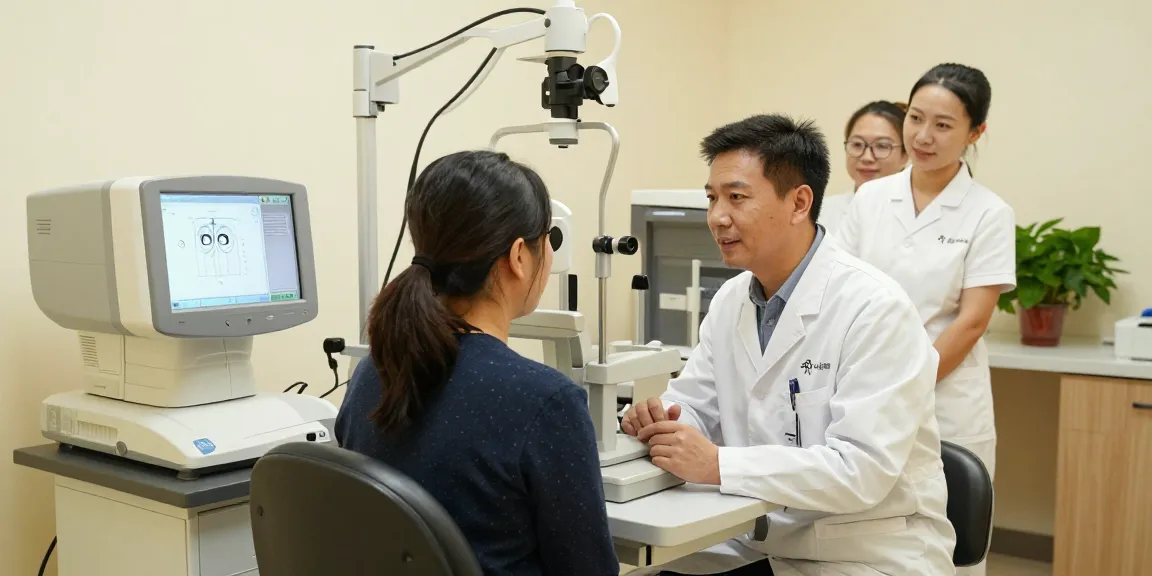
The journey to better vision begins with a comprehensive eye examination at SNU Eye Clinic. This multi-faceted approach involves a thorough evaluation to determine the best course of action for each patient.
52 Detailed Tests Explained
The eye examination process at SNU includes 52 detailed tests categorized into seven groups, covering various aspects of eye health. These tests assess vision clarity, eye pressure, peripheral vision, and more, providing a complete picture of an individual’s eye health.
Preparing for Your Eye Exam
Patients are encouraged to prepare for their eye exams by gathering relevant medical history and discussing any ongoing concerns or symptoms with their ophthalmologist. This preparation allows for a more efficient and productive examination process.
Interpreting Eye Health Results
After the tests, the results are interpreted by the ophthalmologist, who explains any findings and discusses potential treatment options. Understanding these results is crucial for patients to be actively involved in their care decisions.
Advanced Vision Correction Solutions
Vision correction techniques have evolved significantly over the past decade, with innovative solutions available at SNU Eye Clinic.
Understanding ICL/Toric ICL Procedures
ICL (Implantable Collamer Lens) and Toric ICL are advanced surgical options for patients with refractive errors. Unlike LASIK, which reshapes the cornea, ICL involves placing a lens inside the eye, offering a reversible option for vision correction. This method is especially beneficial for those with thin corneas or high levels of myopia.
Benefits of 1:1 Vision Correction
SNU Eye Clinic offers a unique 1:1 vision correction service, ensuring individualized attention throughout the treatment process. With personalized assessments and tailored procedures, patients can expect higher satisfaction rates and better visual outcomes.
Aftercare and Recovery Tips
Post-operative care is essential for a smooth recovery. Patients are given specific guidelines on how to care for their eyes, including medication schedules, activity restrictions, and follow-up appointments to monitor healing and ensure optimal results.
Future Trends in Eye Care for 2026 and Beyond
The field of ophthalmology is constantly evolving, and several trends are anticipated to shape the future of eye care.
Emerging Technologies in Eye Surgery
As technology advances, so do the techniques used in eye surgeries. Innovations such as robotic-assisted surgeries and augmented reality systems are being integrated into clinical practice, enhancing the precision and efficacy of procedures.
Telehealth in Eye Care
The rise of telehealth has transformed how patients access eye care services. Virtual consultations are becoming more common, allowing patients to receive initial assessments and follow-up care from the comfort of their homes.
Predicted Changes in Patient Care Models
Future patient care models will likely focus on proactive measures, emphasizing preventive care and early intervention. This shift aims to reduce the incidence of severe eye conditions and improve overall public health outcomes.
What Are the Risks of Eye Care Misconceptions?
Despite advancements, misconceptions about eye care persist. It is essential for patients to differentiate fact from fiction to make informed decisions about their eye health. Engaging with reliable sources and consulting professionals can help dispel myths surrounding eye conditions and treatments.
Maximizing Your Eye Health: Tips for Everyday Care
To maintain optimal eye health, individuals should adopt healthy habits, including:
- Regular Eye Exams: Schedule yearly exams to detect conditions early.
- Proper Nutrition: Consume a diet rich in vitamins A, C, and E, and omega-3 fatty acids.
- UV Protection: Wear sunglasses that block UV rays when outdoors.
- Screen Time Management: Follow the 20-20-20 rule to relieve eye strain during prolonged screen use.
- Quit Smoking: Smoking increases the risk of eye diseases like cataracts and macular degeneration.