The Rise of Smart Locks in Modern Homes
As the world becomes increasingly interconnected through technology, the traditional locks that have kept our homes secure for centuries are giving way to smarter alternatives. Smart locks, known as قفل هوشمند in Persian, are gaining traction among homeowners as they provide a unique blend of security, convenience, and adaptability. These advanced locking systems are designed to integrate seamlessly with modern lifestyles, enabling users to control access to their homes with unprecedented ease. In this article, we will explore the evolution of smart locks, their benefits, and the technology that makes them a compelling choice for residents and businesses alike. When exploring options, قفل هوشمند provides comprehensive insights into these innovative solutions.
What are Smart Locks and How Do They Work?
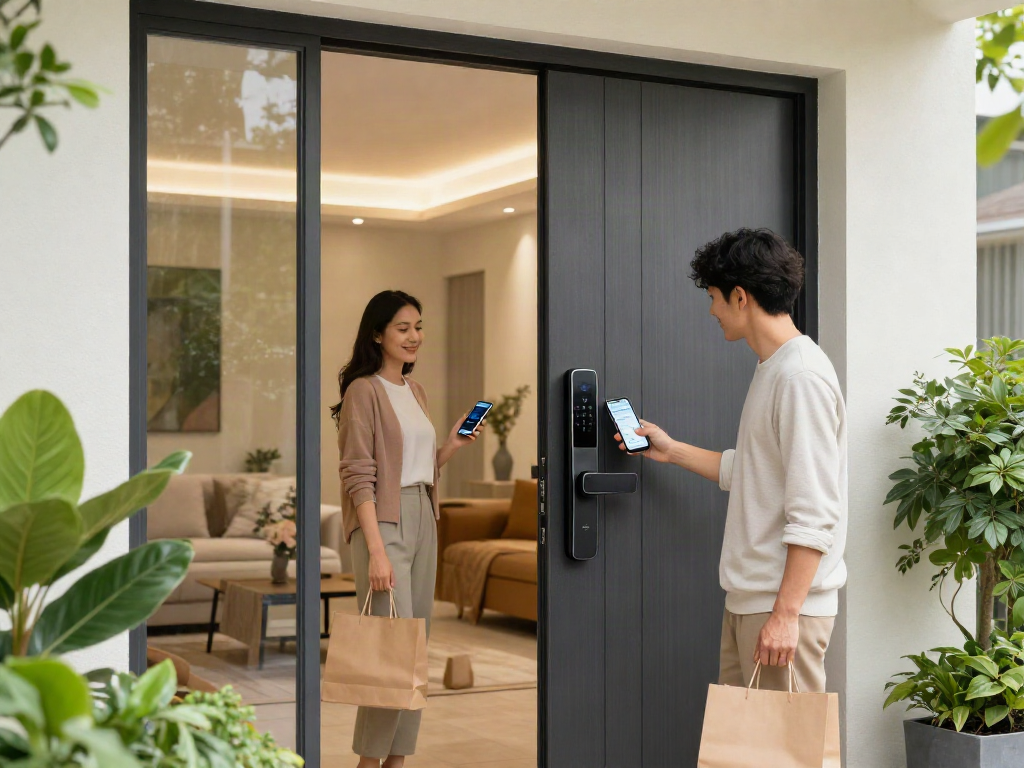
Smart locks are electronic locking systems that utilize technology to enhance traditional locking mechanisms. Unlike conventional locks that require physical keys, smart locks can be operated via mobile applications, biometric recognition (like fingerprints), key fobs, or even voice commands. These locks connect to home Wi-Fi networks or Bluetooth-enabled devices, allowing users to lock and unlock their doors remotely. This means that whether you’re returning home from a long day at work or letting a guest in while you’re away, access can be granted with just a few taps on your smartphone.
Benefits of Using قفل هوشمند Over Traditional Locks
The shift towards smart locks comes with a variety of advantages that traditional locking mechanisms can't match. One of the main benefits is convenience; with a smart lock, you can easily grant access to friends, family, or service personnel without needing to be physically present. Additionally, many smart locks offer customizable codes, which allow temporary access for visitors or service providers, automatically expiring after a set time. This significantly enhances security compared to traditional key-sharing methods.
Understanding the Technology Behind Smart Locks
At the core of smart locks is a combination of hardware and software designed to optimize security and usability. Most smart locks are equipped with a variety of sensors, Wi-Fi or Bluetooth connectivity, and remote management features. Advanced encryption technologies ensure that the data transmitted between the lock and the user’s device remains secure. Also, many smart locks incorporate battery backup solutions, ensuring continued functionality even in case of power failures.
Key Features to Look For in Smart Locks
Security Measures and Encryption Standards for قفل هوشمند
When choosing a smart lock, security should be the top priority. Look for models that incorporate AES encryption standards, which are considered robust against hacking attempts. Additionally, features like tamper alerts and two-factor authentication can enhance security. It is crucial to select brands that continuously update their software to address vulnerabilities, ensuring long-term protection against emerging threats.
User-Friendly Interfaces: Mobile Apps and Connectivity
Another vital feature is the user interface of the mobile application that accompanies your smart lock. A well-designed app should allow for intuitive navigation, easy access logs, and straightforward management of access permissions. Furthermore, compatibility with smart home systems (like Google Home and Amazon Alexa) can enhance the lock’s functionality, allowing you to control your lock with simple voice commands.
Design and Aesthetic Options for Home Integration
While functionality is essential, aesthetics shouldn't be overlooked. Modern smart locks come in a range of styles, colors, and finishes to complement your home’s decor. Whether you prefer a sleek contemporary look or a more traditional design, there's a smart lock available that will blend seamlessly with your entrance while providing high-tech security solutions.
Common Questions and Concerns about Smart Lock Technology
Are Smart Locks Safe from Hacking?
This is a common concern among potential smart lock users. Smart locks can be vulnerable to hacking, just like any connected device. However, by choosing a lock with strong encryption standards and regular software updates, you can minimize these risks significantly. Additionally, employing two-factor authentication can provide an extra layer of security against unauthorized access.
What Happens If the Power Goes Out?
Many people worry about the reliability of smart locks during power outages. Most models are equipped with battery backups, allowing them to remain functional even when the power is out. Some smart locks also feature a physical key option, ensuring that you can still gain access in an emergency. It’s essential to choose a model with a proven battery life and alerts that inform you when batteries need replacing.
How to Maintain and Troubleshoot Your قفل هوشمند?
Maintaining a smart lock involves regular checks on the lock's software and batteries. Ensure that the firmware is updated to protect against security vulnerabilities. Cleaning the exterior and ensuring the lock mechanism is free from obstructions will enhance performance. If troubleshooting is necessary, many manufacturers provide customer support or online resources to assist in resolving connectivity or performance issues.
Future Trends in Smart Lock Technology for 2026
Innovations on the Horizon: AI Integration in Home Security
As we move toward 2026, we expect to see a significant integration of artificial intelligence within smart locks. AI can enhance security features by analyzing access patterns and identifying unusual behavior, alerting homeowners of potential security breaches in real-time. Moreover, machine learning algorithms could allow locks to adapt to user preferences and optimize access based on standard behaviors.
The Role of Smart Locks in Home Automation Systems
Smart locks are increasingly becoming a crucial component of home automation systems. Integration with other smart devices—such as cameras, alarms, and home assistants—can provide comprehensive security solutions that work cohesively. For example, your smart lock could automatically disarm your security system once you enter your home, providing an effortless and secure experience.
Consumer Preferences and Predictions for Smart Lock Adoption
Predictions indicate that consumer preferences will continue to shift towards more integrated solutions that provide both security and convenience. Factors such as increased awareness of smart home technology, rising concerns about security vulnerabilities, and the growing demand for seamless user experiences will likely drive the adoption of smart locks in residential and commercial properties alike in the coming years.
Real-World Applications and Case Studies
How قفل هوشمند Enhances Security in Multifamily Homes
In multifamily housing, the benefits of smart locks are particularly pronounced. Property managers can issue temporary access codes to contractors and guests without sacrificing overall security. This level of control not only enhances safety for residents but also simplifies property management tasks, making it easier to maintain secure access points throughout the building.
Success Stories: Businesses Securing Premises with Smart Locks
Numerous businesses have successfully implemented smart locks to enhance their security protocols. For instance, hotels are utilizing smart locks to allow guests to unlock their room doors using their smartphones, improving the guest experience while also enabling staff to manage room access more efficiently. This has led to an uptick in customer satisfaction and reduced administrative burdens on staff.
Personal Experiences: Homeowners Share Their Smart Lock Journeys
Many homeowners have reported positive experiences after switching to smart locks. One homeowner noted the peace of mind gained from being able to monitor access to their home remotely, while another appreciated the convenience of entering their home without fumbling through pockets for keys. Such personal experiences underline the growing trend of smart lock adoption driven by enhanced security and lifestyle adaptability.
What are the key advantages of using smart locks?
The primary advantages of using smart locks include enhanced security features, convenience, and the ability to manage access remotely. Smart locks enable users to monitor who enters and leaves their homes in real time, making it easier to manage household safety.
How do smart locks compare to traditional locking mechanisms?
Smart locks often provide greater convenience and flexibility compared to traditional locks, which require physical keys. Smart locks can be operated remotely, issue temporary access codes, and log entry activity, while traditional locks lack these advanced capabilities.
Can smart locks be integrated into existing home security systems?
Yes, many smart locks are designed to integrate seamlessly with existing home security systems. This compatibility allows users to have a cohesive security setup, enhancing both safety and convenience.
What features enhance the security of smart locks?
Security features that enhance smart locks include AES encryption, tamper alerts, two-factor authentication, and battery backup systems. Together, these elements significantly bolster the security of smart locking systems.
How reliable is the connectivity of a قفل هوشمند?
The reliability of a smart lock's connectivity largely depends on the technology used and the strength of the home’s Wi-Fi or Bluetooth signals. High-quality smart locks typically maintain stable connections, offering reliable performance for users.