
Understanding Beyin Tümörü Ameliyatı
Brain tumor surgery, known as beyin tümörü ameliyatı in Turkish, is a critical medical intervention aimed at the removal of tumors from the brain. These tumors can be benign or malignant, with varying degrees of severity and potential impact on the patient's health. The surgical process is complex, requiring advanced technology and highly trained medical professionals to ensure optimal outcomes. By understanding the nature of brain tumors, the types of surgery available, and the associated risks, patients can make informed decisions about their treatment options. When exploring options, beyin tümörü ameliyatı provides comprehensive insights into this crucial procedure and what one should expect throughout the journey.
What is a Brain Tumor Surgery?
Brain tumor surgery is a procedure designed to remove tumors that can affect brain function. These tumors may originate from different types of cells in the brain, including glial cells, which support and protect neurons. The surgery aims to alleviate symptoms caused by the tumor, minimize potential damage to surrounding brain tissue, and assess the tumor type for further treatment decisions. The methods of performing brain tumor surgery have advanced significantly, making it more effective and safer than in the past.
Types of Brain Tumors and Surgical Options
There are several types of brain tumors, broadly categorized into primary and metastatic tumors. Primary tumors originate within the brain, such as gliomas, meningiomas, and astrocytomas, while metastatic tumors arise from cancerous cells that spread from other parts of the body. Surgical options can include:
- Craniotomy: A procedure where a portion of the skull is removed to access the brain.
- Endoscopic surgery: A minimally invasive technique using small instruments inserted through a small incision.
- Stereotactic surgery: Accurate targeting of tumors using imaging technologies.
Importance of Early Diagnosis
Early diagnosis of brain tumors is crucial for successful treatment outcomes. Symptoms can vary greatly depending on the tumor's location and size, and may include headaches, seizures, changes in vision, or cognitive difficulties. Regular check-ups and imaging studies, such as MRI or CT scans, are essential for individuals at higher risk, enabling earlier intervention and a better prognosis.
Stages of Beyin Tümörü Ameliyatı
Initial Consultation and Diagnosis
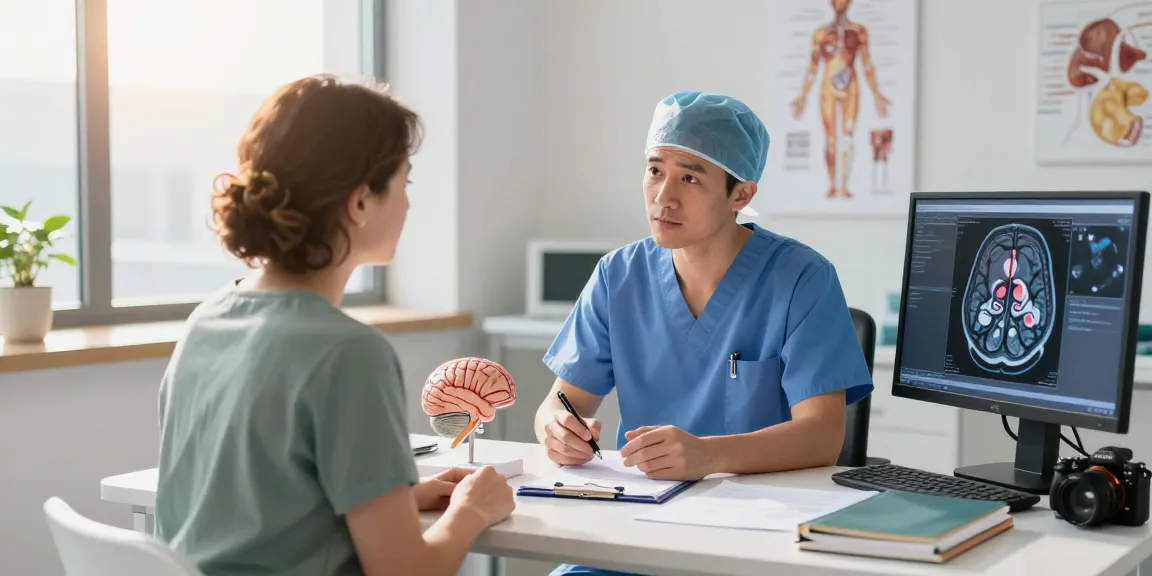
The road to surgery starts with a comprehensive consultation. During this phase, physicians conduct detailed medical histories, neurological examinations, and imaging studies to determine the tumor's characteristics. These assessments provide crucial information for planning a personalized surgical approach.
Surgical Planning and Preparations
Based on the diagnosis, surgical teams develop a detailed plan that includes the strategy for tumor removal, the type of surgery, and post-operative care. Pre-operative preparations may involve imaging studies, blood tests, and discussions about anesthesia and potential risks.
Performing the Surgery: Techniques and Technologies
Modern surgical techniques have transformed brain tumor surgery. Innovations like intraoperative MRI and neuromonitoring systems allow surgeons to track brain activity in real-time, minimizing the risk of damaging essential areas during tumor removal. The use of microsurgery techniques enables surgeons to remove tumors with high precision, preserving surrounding healthy tissue.
Risks and Complications of Beyin Tümörü Ameliyatı
Common Surgical Risks
While brain tumor surgery is generally safe, it carries risks like any major surgical procedure. Common complications include infection, bleeding, and negative reactions to anesthesia. Neurological risks may also occur, potentially leading to persistent deficits depending on the tumor's location and the extent of surgery.
Managing Post-Operative Complications
Post-operative care is crucial for recovery. Patients are closely monitored for potential complications, including swelling, infection, or neurological changes. Healthcare providers may utilize imaging techniques to assess for any issues before determining the next steps in recovery.
Long-Term Effects on Health
Many patients experience changes following brain surgery, which may include cognitive alterations, physical changes, or emotional challenges. Ongoing therapy and rehabilitation are often necessary to help patients regain their independence and navigate any long-term effects of their surgery.
Post-Surgery Recovery for Brain Tumor Patients
Immediate Post-Operative Care
After the surgery, patients typically spend time in a recovery room to ensure they are stable before being moved to a hospital room. Pain management, monitoring for complications, and assessments of neurological function are priorities during this initial recovery period.
Rehabilitation and Follow-Up Treatments
Rehabilitation is an essential aspect of recovery post-surgery. Physical, occupational, and speech therapy can assist in regaining lost skills or managing deficits caused by the tumor or surgery itself. Regular follow-up appointments are necessary to monitor recovery and any potential tumor recurrence.
Tips for a Smooth Recovery
Patients can take several steps to support their recovery post-surgery:
- Follow the healthcare team's advice closely.
- Attend scheduled follow-up appointments.
- Engage in recommended rehabilitation activities.
- Maintain a healthy diet and stay hydrated.
- Get adequate rest and manage stress levels.
The Future of Beyin Tümörü Ameliyatı
Emerging Surgical Techniques and Innovations
The field of neurosurgery is ever-evolving, with new techniques and technologies continually emerging. Innovations like robotic-assisted surgery and advanced imaging technologies enhance precision and safety during procedures.
Role of Technology in Treatment Advancement
Technology plays a pivotal role in improving surgical outcomes. Enhanced imaging modalities, artificial intelligence for diagnosis, and telehealth for follow-up care are examples of how technology is reshaping patient experiences in neurosurgery.
Predictions for 2026 Treatment Outcomes
Looking forward to 2026, advancements in personalized medicine are expected to yield better treatment strategies and outcomes for patients with brain tumors. Multidisciplinary approaches that incorporate genetic profiling and targeted therapies are likely to become standard practice.
What are the common signs after surgery?
Post-surgery, patients may experience general discomfort, headaches, and fatigue. Monitoring neurological functions is essential, and any sudden changes like weakness, vision problems, or severe headaches should be reported immediately.
How long is the typical recovery period?
The recovery period can vary significantly based on individual circumstances, including the type of surgery and the patient's overall health. Generally, recovery can range from a few weeks to several months.
What should I be aware of before surgery?
Before surgery, patients should ensure they understand the procedure, potential risks, and post-operative care. Open communication with the healthcare team is vital for addressing concerns and preparing adequately.
Are there alternative treatment options?
In some cases, non-surgical options may be suitable, such as radiation therapy or chemotherapy, particularly for patients unable to undergo surgery or for specific tumor types. Discussing these alternatives with a specialist is crucial for determining the best approach.
What are the costs associated with brain tumor surgery?
Costs for brain tumor surgery can vary widely based on factors like hospital location, the complexity of the procedure, and the patient's insurance coverage. For more information, beyin tümörü ameliyatı offers valuable insights. Understanding potential costs and insurance benefits is an important aspect of planning for surgery.