Understanding Asian Culture Through Spanish Perspectives
The intersection of Asian culture and the Spanish-speaking world has become increasingly significant in recent years, with more individuals seeking to explore the rich tapestry of traditions, values, and modern expressions that characterize Asian societies. This cultural exchange is not merely a trend; it is a reflection of the globalization of ideas and creative content. Platforms such as https://hanadultalk.com facilitate this connection by providing bilingual content that resonates with Spanish speakers interested in Asian culture. The growing popularity of Asian cuisine, K-Pop, and cinema among Spanish audiences underscores a deepening appreciation for these cultures and their narratives.
What is Hana Dul Talk?
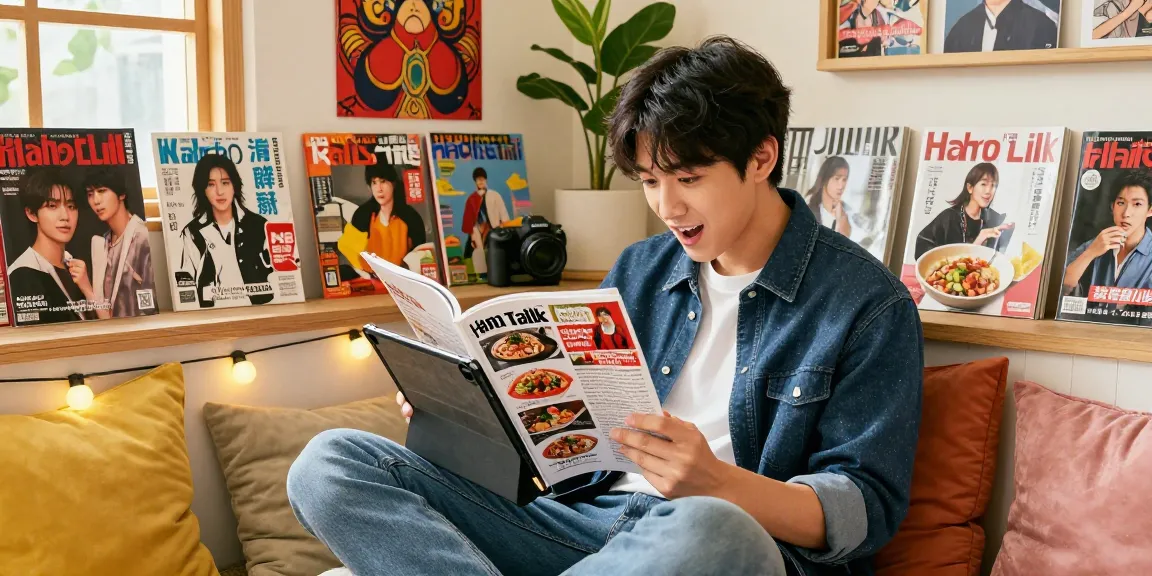
Hana Dul Talk is a unique platform dedicated to bridging cultural gaps between Asia and the Spanish-speaking world. By offering content in Spanish that covers various aspects of Asian culture—including entertainment, food, lifestyle, and pop culture—Hana Dul Talk serves as a valuable resource for the burgeoning community of Spanish speakers interested in Asian heritage. The platform’s format combines appropriate cultural insights with accessible language, catering to both casual fans and those seeking in-depth knowledge.
The Importance of Bilingual Content
Bilingual content plays a crucial role in cultural exchange, offering the opportunity for individuals to connect with diverse perspectives. For Spanish speakers, accessing Asian cultural narratives in their native language makes these stories more relatable and engaging. Moreover, it fosters language learning organically, as users encounter vocabulary and expressions within the context of situations they are interested in, such as K-Drama or Asian cuisine. This method of learning enhances retention and encourages a deeper understanding of both languages and cultures.
How Asian Culture Connects with Spanish Speakers
The connection between Asian culture and Spanish speakers is evident across various domains—be it through the global phenomenon of K-Pop, the culinary delights from Japan to Thailand, or the captivating storytelling in Asian cinema. As Spanish speakers immerse themselves in these cultural expressions, they not only gain insights into the values and traditions of Asian societies but also cultivate a greater appreciation for the diversity of global narratives.
Exploring K-Culture: The Heart of Asia
K-Culture, particularly K-Pop and K-Drama, has achieved substantial popularity across the globe, including among Spanish-speaking audiences. This cultural export has transformed not only the music and television industries but also how fans interact with Asia. By analyzing trends and influences in K-Culture, we can better understand its impact on our daily lives and the wider cultural landscape.
Top Trends in K-Pop and K-Drama
In recent years, K-Pop groups like BTS and BLACKPINK have broken down barriers, amassing dedicated fanbases in Spanish-speaking countries. Their influence extends beyond music, inspiring fashion trends, beauty standards, and even language learning. Similarly, K-Dramas such as “Crash Landing on You” and “Itaewon Class” have captivated audiences with their compelling narratives and relatable characters. These trends demonstrate a genuine interest in Korean storytelling, which is often infused with themes of love, friendship, and resilience.
How to Enjoy K-Culture in Spanish
For those eager to dive into K-Culture, there are numerous Spanish-subtitled shows and music videos available across streaming platforms. Engaging with this content not only allows fans to enjoy their favorite stories but also presents an opportunity to learn Spanish through context. Binge-watching K-Dramas alongside friends can create a fun and supportive learning environment, further enhancing the experience.
Recommended Shows and Music for Beginners
Newcomers to K-Culture may find their footing with popular series like “Goblin” or “What’s Wrong with Secretary Kim,” both of which offer engaging plots and charismatic actors. When it comes to music, artists like IU and EXO provide catchy tracks that are perfect for sing-alongs. With the combination of entertainment and education, these shows and songs are excellent starting points for anyone wishing to immerse themselves in K-Culture.
Culinary Adventures: Asian Cuisine in Spanish
Asian cuisine presents a vast array of flavors, textures, and culinary techniques that have captured the palates of food enthusiasts around the world. This culinary journey is particularly enriching when experienced through the lens of Spanish language and culture, bringing together two rich food traditions.
Must-Try Dishes and Their Origins
Each region of Asia boasts its own iconic dishes that tell a story of cultural heritage. For example, sushi from Japan, dim sum from China, and pad Thai from Thailand are not just meals; they encapsulate the history and traditions of their respective cultures. By exploring these dishes in Spanish, learners can gain a better understanding of the cultural significance behind each culinary creation.
Recipes to Try at Home
Many Asian dishes can be replicated at home, offering a practical way to engage with both the culture and language. Simple recipes like stir-fried noodles or curry can be tackled by cooking enthusiasts, who can follow instructions in Spanish while exploring the delicious outcomes. These home-cooked meals then serve not just as sustenance but also as a means of cultural expression.
Culinary Vocabulary for Spanish Speakers
Learning culinary terms in Spanish can enhance the experience of cooking Asian dishes. Words such as “sartén” (pan), “hervir” (to boil), and “marinado” (marinade) become essential as one navigates recipes. By familiarizing themselves with this culinary vocabulary, Spanish speakers can confidently explore Asian cuisine and discuss their cooking adventures with others.
Cultural Events and Festivals: A Spanish Perspective
Asian cultural events and festivals are vibrant celebrations filled with color, music, and tradition. By engaging with these events, Spanish speakers can deepen their understanding of Asian heritage while enjoying the festive atmosphere. Many of these events feature performances, food, and activities that invite participation and learning.
Key Festivals Celebrated in Asia
Festivals such as the Lunar New Year in China, Diwali in India, and the Lantern Festival in Taiwan offer unique insights into the diverse cultures across Asia. Each festival carries its own significance and traditional practices, providing a rich narrative for audiences around the world. Spanish translators and speakers can provide context and guidance during these festivals for those looking to participate.
How to Experience These Events Locally
As cities around the world host Asian cultural festivals, Spanish speakers have the chance to attend these events, thus connecting with their local Asian communities. From food stalls to cultural performances, participating in these lively festivities can foster relationships while enhancing cultural knowledge.
Sharing Cultural Events Through Social Media
Social media platforms have made it easier than ever to share experiences and connect with others who appreciate Asian culture. By documenting festivals and events, Spanish speakers can not only share their experiences but also inspire others to learn more about these exciting traditions. Platforms like Instagram and TikTok can amplify voices and stories, allowing for wider engagement in cultural discussions.
Future Trends in Asian Culture and Spanish Engagement
The relationship between Asian culture and Spanish-speaking audiences is poised for growth in the coming years. This expansion will likely be influenced by technological advancements and shifting cultural dynamics, which will continue to foster cross-cultural interactions.
Emerging Pop Culture Phenomena in Asia
As new artists and creators emerge from Asia, they are likely to gain traction worldwide, particularly with the support of digital media. Trends like virtual reality concerts and interactive content will enrich the user experience, making it even easier for Spanish speakers to engage with Asian culture in innovative ways.
The Role of Digital Media in Cultural Exchange
In the digital age, platforms like Hana Dul Talk are crucial for cultural exchange, offering a space for dialogue and understanding. With the growth of streaming services, podcasts, and social media, Spanish speakers have unprecedented access to Asian cultural content, further bridging the gap between these two worlds.
What to Expect in 2026 and Beyond
The future promises an even broader cultural exchange as Asian content continues to penetrate the Spanish-speaking market. We can expect more collaborations between artists and cultural creators, as well as increased representation in mainstream media. This evolving landscape not only celebrates diversity but also emphasizes the importance of shared cultural experiences for fostering global community.
What is Hana Dul Talk?
Hana Dul Talk continues to serve as a pivotal platform for Spanish speakers, providing them with access to a wealth of cultural resources while supporting language learning and cultural appreciation.
How does Hana Dul Talk help with language learning?
By presenting content in a bilingual format, the platform enhances vocabulary acquisition and cultural understanding, making it easier for learners to navigate both languages simultaneously.
Where can I find more cultural content in Spanish?
In addition to Hana Dul Talk, various social media platforms, streaming services, and cultural blogs provide insights into Asian culture tailored specifically for Spanish-speaking audiences, making it easier to find diverse content.
What are the best Asian shows for Spanish speakers?
Popular titles like “Descendants of the Sun” and “Korean Odyssey” are frequently recommended, giving Spanish speakers a chance to explore compelling narratives while practicing their language skills.
How is Asian cuisine represented on Hana Dul Talk?
Asian culinary traditions are celebrated in depth, offering recipes, cooking tips, and cultural insights that enhance the understanding of each dish’s origin and importance.